Research Focus
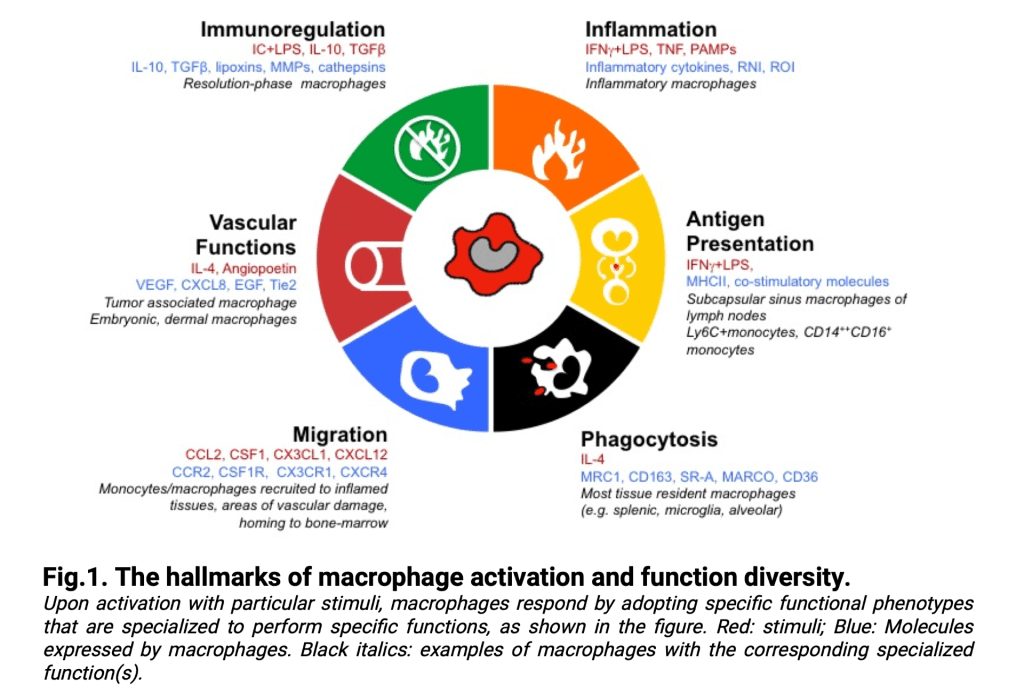
Monocytes and macrophages are versatile cells that not only serve as a first line of host defence (against pathogens and cancer), but also have important homeostatic functions in organogenesis and development (1). To perform these varied roles, these cells are endowed with remarkable functional plasticity and diversity such as triggering an immune-inflammatory response, phagocytosing and killing pathogens, tissue remodelling and repair, and orchestrating immunoregulation (2, 3) (Fig 1). However, such functions are tightly controlled (in magnitude and time and context) and is a result of an activation response(s) to a particular microenvironmental stimuli that ‘polarize’ these cells to particular functional phenotypes. Importantly, a dysregulation in these tightly-regulated activation phenotypes and functions is often associated with pathogenesis. Hence, studying the dysregulated phenotype of monocytes/macrophages in human disease provides a direct insight into the disease mechanism. The overall aim of our laboratory is to i) characterize the dysregulated phenotype of monocytes/macrophages in selected human diseases (with an aim to identify immune signature-based biomarkers); ii) identify the mechanisms which drive this dysregulation, and iii) target these mechanisms to ‘re-program’ these cells to fight disease progression.
In the current laboratory, we will focus on:
(a) Dissecting the role of these cells (as well as other innate immune cells) in fungal diseases, which constitute a substantial impact on human health, especially under immunocompromised conditions.
(b) Investigating the role of innate immunity in hantaviral infections (highly relevant, regionally)
(c) Understanding the mechanistic role of trained immunity in regulating myeloid cell response in human disease and ‘re-programming’ them protective immunity (e.g. vaccination).
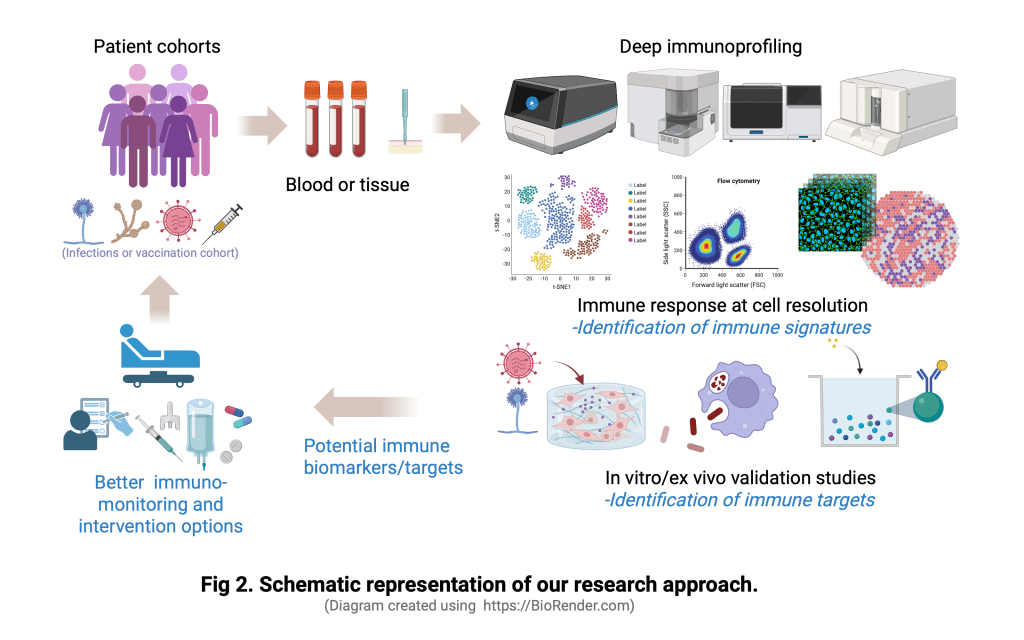
We have a longstanding experience in deep profiling and immuno-monitoring of myeloid cells in human cohorts. Building upon this, our experimental approach will involve a combination of deep immunoprofiling of myeloid cells (using single cell approaches, high dimensional flow cytometry, spatial analysis, immuno-metabolic and functional assays) from selected human cohorts (available through our collaborators) as well as in vitro culture models for mechanistic studies (Fig 2). The overall aim is to characterize immune signatures (= potential biomarkers) and immune targets for disease monitoring and therapy.
- New insights into the multidimensional concept of macrophage ontogeny, activation and function. Ginhoux F, Schultze JL, Murray PJ, Ochando J, Biswas SK. Nat Immunol.2015 Dec 17;17(1):34-40.
- Macrophages : Biology and Role in the Pathology of Diseases. Eds. Biswas SK & Mantovani A. 2014, Springer; ISBN 978-1-4939-1311-4.
- Macrophage plasticity and interaction with lymphocyte subsets: cancer as a paradigm. Biswas SK, Mantovani A. Nat Immunol. Oct 2010; 11(10):889-896.
Biography
Subhra K. Biswas
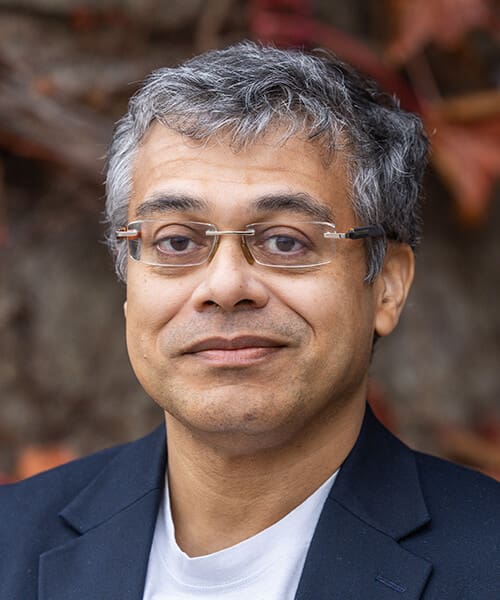
Subhra K. Biswas completed his Ph.D. in Biotechnology (Cellular Immunology) at Banaras Hindu University, India, followed by postdoctoral studies at the Istituto di Ricerche Farmacologiche “Mario Negri”, Milan, Italy, working on the first molecular characterization of tumor associated macrophages. In 2005, he joined the Bioinformatics Institute of Agency for Science Technology & Research (A*STAR) in Singapore as Research Scientist in charge of the Cell Interaction group. From 2007-2024, he was a Principal Investigator and then a Senior Principal Investigator at the Singapore Immunology Network (SIgN, A*STAR), heading the Human Innate Immunity Lab. In 2024, he moved to Austria as a tenure track Professor in Host-Fungal Pathogen Interaction at the Division of Infectious Diseases, Medical University of Graz, Austria. Prof. Biswas has held various adjunct positions as an associate Professor at LKC School of Medicine, Nanyang Technological University, Singapore, National University of Singapore, and a visiting Professor at Humanitas University, Milan, Italy. He is a Clarivate Highly-Cited Scientist 2019, 2020, 2021, 2022.
Team
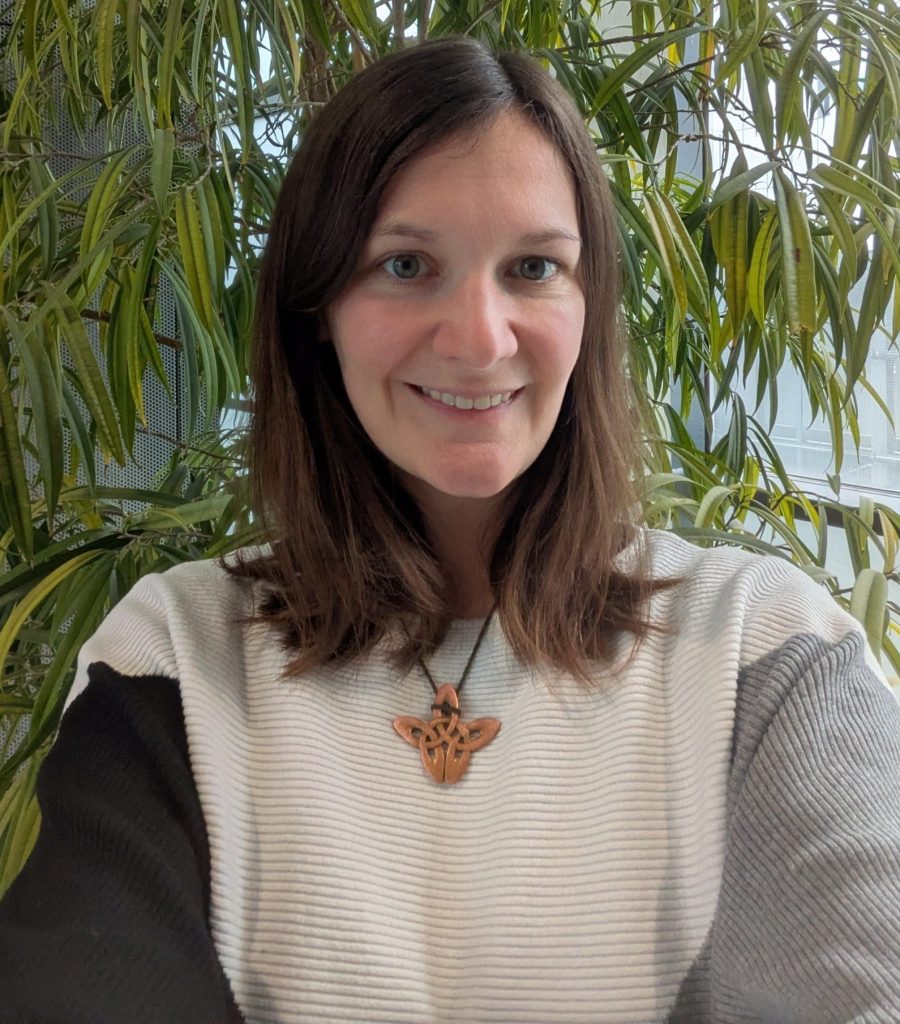
Esther Föderl-Höbenreich, PhD – Postdoctoral Fellow
I studied molecular microbiology in Graz and completed my PhD at the Institute of Pathology where I worked on the development of in-planta produced antiviral receptor decoys. In January 2026, I began my work as a postdoctoral researcher at the Ignaz Semmelweis Institute in the Group of Prof. Subhra K. Biswas. My research focuses on Puumala virus infection, where I investigate immune cell states during human infection. In particular, I am interested in how innate immune cells contribute to both the pathogenesis and resolution of PUUV infection, and how distinct transcriptional programs influence clinical outcomes.
Outside the lab, I enjoy spending time with friends, and I love combining my travels with diving adventures.
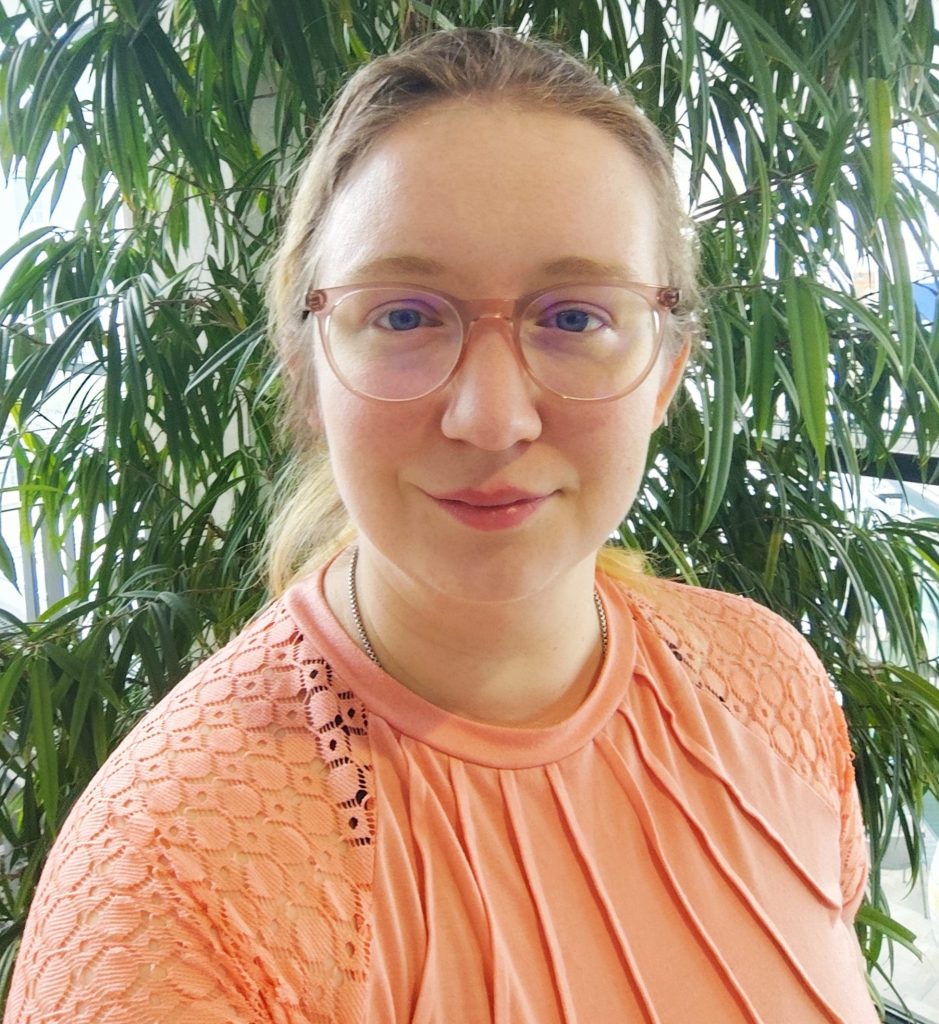
Stephanie Schlichter, PhD – Postdoctoral Fellow
Stephanie completed her Master’s degree in Medical Biology in Salzburg before moving to England to pursue a PhD at the Medway School of Pharmacy, where she focused on onco-fetal immunology. During her first postdoctoral position at the German Cancer Research Center (DKFZ), she gained expertise in applying single-cell sequencing and spatial technologies to immunological research. Joining the Host-Pathogen Interaction group, her present work centers around high resolution dissection of immune response at a single cell, spatial & temporal level to fungal infections and trained immunity. Her work integrated patient cohorts, ex vivo experiments, single cell/spatial sequencing along side a designing comprehensive bioinformatics analysis pipeline.
In her free time, Stephanie enjoys spending time with her family and her cats, as well as learning piano and crocheting.
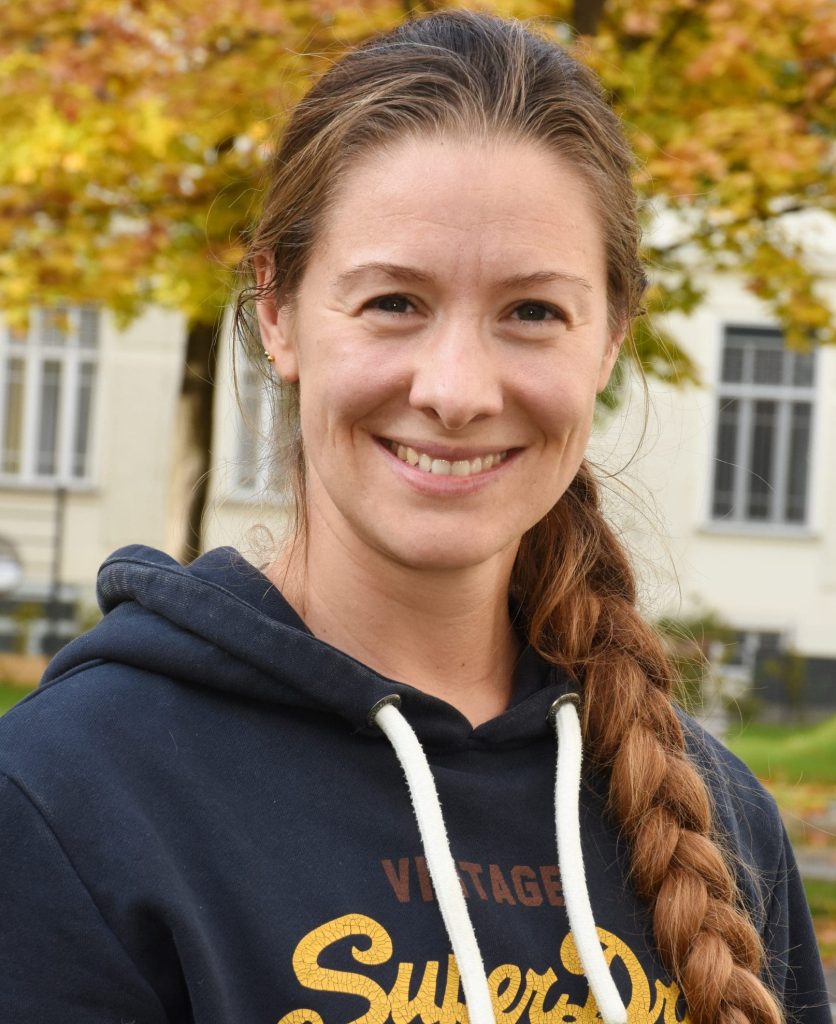
Stella Wolfgruber, PhD – Postdoctoral Fellow
I studied molecular microbiology in Graz, completing my PhD at the Medical University of Graz in a BSL-3 laboratory. My research there focused on SARS-CoV-2, and I gained hands-on experience working with viral pathogens. Since then, I have shifted my scientific focus towards clinically relevant fungi, particularly Candida species. In Subhra Biswas’s lab, I support ongoing projects and collaborate closely with colleagues.
In my free time, I enjoy spending time with my family and pets and stay active through sports.