Research Focus
The focus of the Krammer laboratory within the Semmelweis Institute is on RNA viruses, especially influenza viruses, coronaviruses and hantaviruses but also other emerging viruses. We are interested in understanding pathogenicity of these viruses, their potential for human-to-human transmission (a pre-requisite for a pandemic), as well as immune responses that protect us from these infections and how prevalent protective immunity in the human population is. We are especially interested in humoral immune responses to the surface glycoproteins of these viruses, their antiviral potential and their antiviral mechanisms. Furthermore, we are studying mucosal immunity and how it can block transmission of respiratory viruses. Based on these findings, we are developing vaccines candidates and therapeutics which can help to prevent or treat these infections.
Biography
Florian Krammer

Florian Krammer, PhD, graduated from the University of Natural Resources and Life Sciences, Vienna.
He received his postdoctoral training in the laboratory of Dr. Peter Palese at the Icahn School of Medicine
at Mount Sinai, New York, working on hemagglutinin stalk-based immunity and universal influenza virus vaccines. In 2014, he became an independent principal investigator and is currently the endowed Mount Sinai Professor of Vaccinology at the Icahn School of Medicine at Mount Sinai. He is also the co-director of the Center for Vaccine Research and Pandemic Preparedness (C-VaRPP). Furthermore, since 2024, Dr. Krammer is Professor for Infection Medicine at the Ignaz Semmelweis Institute at the Medical University of Vienna. Dr. Krammer’s work focuses on understanding the mechanisms of interactions between antibodies and viral surface glycoproteins and on translating this work into novel, broadly protective vaccines and therapeutics. The main target is influenza virus but he is also working on coronaviruses, flaviviruses, hantaviruses, filoviruses and arenaviruses. He has published more than 400 papers on these topics.
Dr. Krammer is an elected fellow of the American Academy of Microbiology and the Henry Kunkel Society,
he is on the Board of Directors of the European Scientific Working Group on Influenza (ESWI) and he serves as one of the chairs of the SAVE group which tracks SARS-CoV-2 variants for the US NIH. He is also the recipient of the 2024 Geoffrey Schild Award.
Team

Francisco J. Berguido, PhD – Lab Manager
FJB has a PhD from the University of Natural Resources and Life Sciences, Vienna – Boku (Prof. R. Grabherr). He has developed serological diagnostic tests in platforms such as ELISA, Serological Luminex and LIPS. He has worked at Memorial Sloan Kettering Cancer Center, the International Atomic Energy Agency. He is now the lab manager of the Krammer Lab in Vienna.

Enikö Hermann, PhD – Postdoctoral Fellow
Enikö studied Chemistry at the University of Szeged, Hungary, then moved Vienna, where she did her PhD in Protein Biotechnology, specializing in enzymology at BOKU University. At the Krammer lab, her main focus is investigating the properties of viral proteins, using both wet-lab and computational methods. Her main interest is in the protein biochemistry and structural biology of influenza virus neuraminidase. In her free time, she enjoys arts and crafts, playing videogames and spending time with her cats.
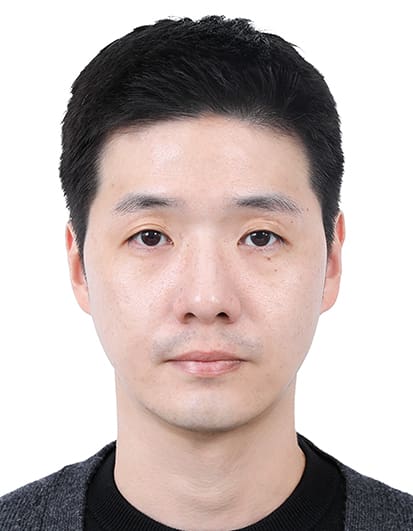
Jiho Lee, DVM, PhD – Postdoctoral Fellow
My research focuses on engineering recombinant Newcastle disease virus (NDV) and vesicular stomatitis virus (VSV) as viral vector platforms for vaccines against emerging and re-emerging pathogens. I am particularly interested in optimizing genome design, gene‑junction architecture, and antigen expression strategies to enhance safety, stability, and immunogenicity. My work integrates molecular virology with serological assays to characterize host immunity and viral antigenicity, enabling rational evaluation of vaccine performance.

Beatrice Raffelsberg, BSc – Master Student
Beatrice studies Molecular Microbiology, Microbial Ecology and Immunobiology at the University of Vienna and joined the Krammer laboratory to pursue her master’s thesis. Her research focuses on the generation and characterization of monoclonal antibodies against Aspergillus spp. When she’s not in the lab, she likes to read and go for walks.
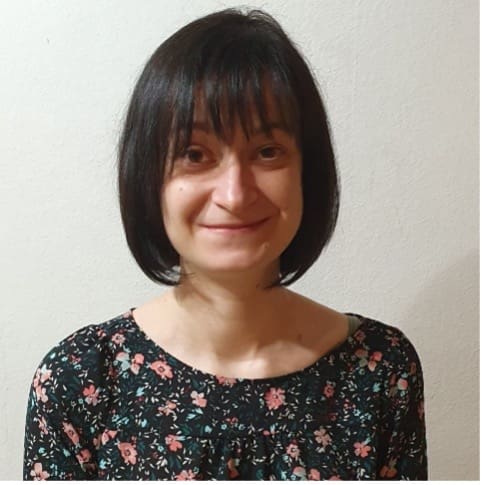
Alina Tscherne, Dr. rer. biol. vet. – Postdoctoral Fellow
Alina received her BSc from the Karl-Franzens-University of Graz (Austria) and her MSc from the Philipps-University of Marburg (Germany), where she studied molecular biology and human biology, respectively. She worked for a few years at the Bundeswehr Institute of Microbiology in Munich (Germany), working on the antimicrobial susceptibility testing of human pathogenic bacteria, such as F. tularensis, Y. pestis, B. anthracis, and B. pseudomallei. She did her PhD in veterinary biology in Prof. Gerd Sutter´s laboratory at the Ludwig Maximilian University of Munich, where she focused on the development of vaccines against SARS-CoV-2 based on the Modified Vaccinia virus Ankara (MVA). She continued her scientific career as a postdoctoral fellow in the Sutter laboratory, where she worked on the development, and in vivo characterization of MVA-based vaccines against emerging and re-emerging viruses, such as SARS-CoV-2, MERS-CoV, IAV, MARV, LASV, and ZIKV, in animal models. In September 2024, she joined Prof. Florian Krammer´s laboratory in Vienna. Her main research focus is currently the characterization of immune responses against influenza virus in the human population, and the development of vaccines/treatment options against Aspergillus spp., and Hantaviruses. Outside of the lab, Alina enjoys baking, reading, hiking and to go on city trips within Europe.
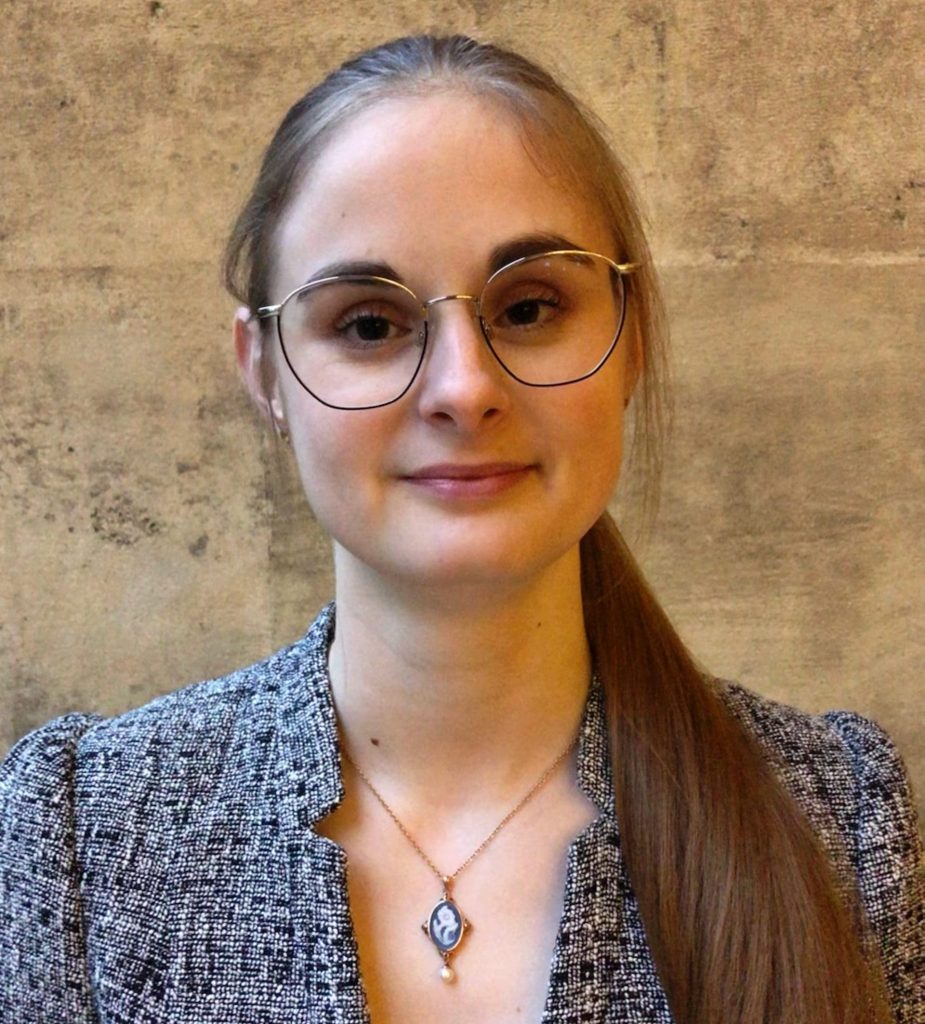
Andrea Turek, BSc – Master student
Andrea completed her bachelor’s degree in Microbiology and Genetics at the University of Vienna, where she is also currently enrolled for her master’s degree in Molecular Microbiology, Microbial Ecology and Immunobiology (MMEI). She joined the Krammer lab to write her master’s thesis on the establishment and characterisation of an in vitro cell culture system for growth and amplification of hantaviruses. When she’s not currently in the lab she can be found reading or training Japanese Jujitsu.